Latest Articles

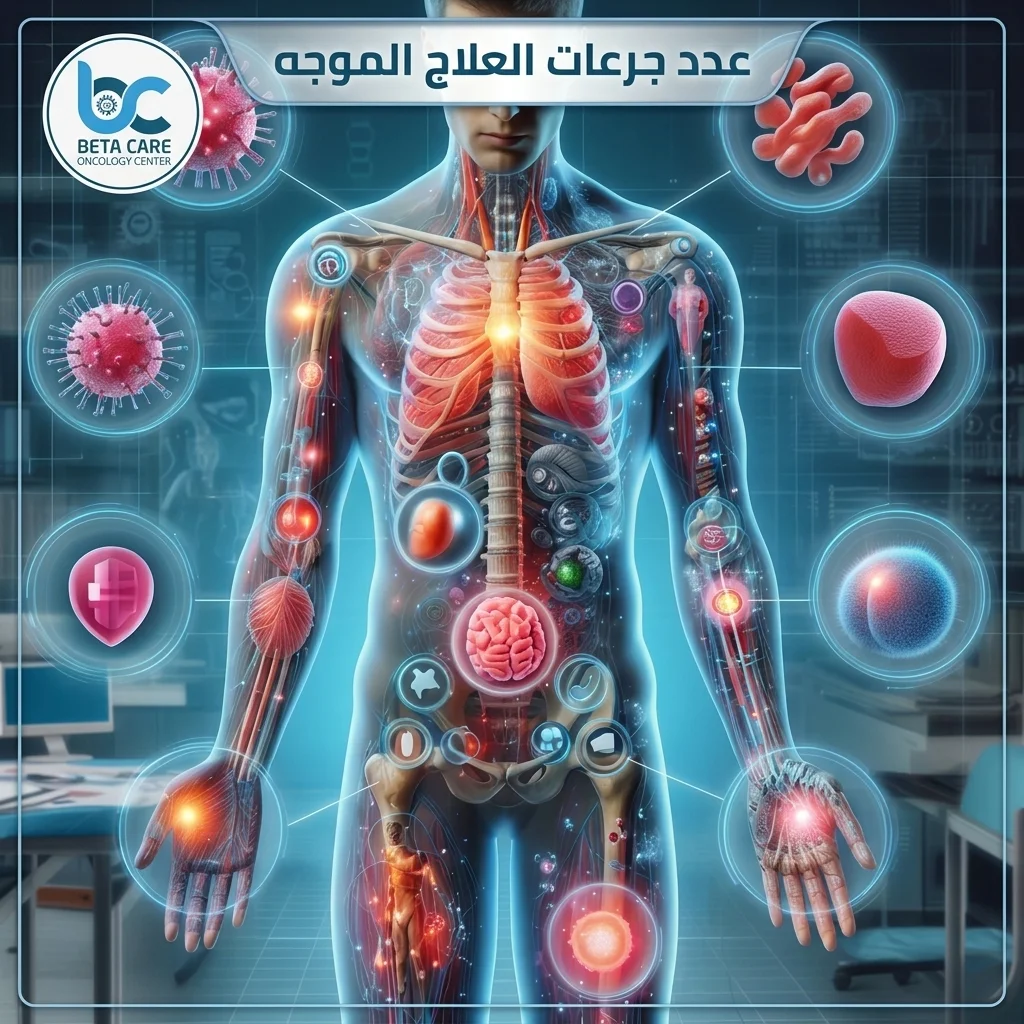
Number of Targeted Therapy Doses
Targeted therapy is not administered in a fixed number of doses to all cancer patients. The number of targeted therapy doses is determined by the oncologist according to the type of tumor, the goal of treatment, the characteristics of the cancer cells, the results of genetic and molecular tests, and the patient's response to the treatment plan. Therefore, treatment may continue for different periods, and doses may be scheduled at regular intervals or according to a specific treatment protocol for each medication and case. At Beta Care, comprehensive cancer care is provided within a system that includes accurate diagnosis, genetic testing, specialized treatment, and continuous medical follow-up. This integration allows the condition to be assessed more accurately and helps in selecting a treatment plan that suits the nature of the tumor and the patient's needs.
Number of Targeted Therapy Doses
When Does a Doctor Use Targeted Therapy to Treat Cancer?
What Types of Cancer Can Be Treated with Targeted Therapy?
How Does a Doctor Determine Whether Targeted Therapy Is Suitable for a Patient?
How Does Targeted Therapy Work on Cancer Cells?
How Does a Doctor Know Whether Targeted Therapy Is Producing a Response?
What Tests Does a Patient Need During Targeted Therapy?
How Long Does Targeted Therapy Take?
Does the Number of Targeted Therapy Doses Vary According to the Type of Cancer?
How Many Times Does a Patient Receive Targeted Therapy During the Month?
When Can the Targeted Therapy Dose Be Reduced or Adjusted?
What Tests Determine Whether Targeted Therapy Doses Can Continue?
How Does a Doctor Determine When to End Targeted Therapy Doses?
Number of Targeted Therapy Doses
There is no fixed number of targeted therapy doses that is suitable for all cancer patients, because the doses and their administration schedule are determined by the oncologist according to the type of cancer, the medication used, the molecular target present in the cancer cells, the stage of the disease, and the patient's response to treatment. Targeted therapy may be administered as daily tablets, injections, or intravenous infusions at specific intervals. Therefore, the number of doses per month may vary from one case to another. Treatment may also continue for a long period as long as it provides a therapeutic benefit and the patient can tolerate it safely. However, the doctor may need to adjust the dose or change the treatment plan if side effects occur or the response is insufficient. Determining the appropriate dose depends on a comprehensive medical assessment that includes laboratory tests, medical imaging, and sometimes genetic and molecular tests that identify actionable biomarkers. The importance of specialized care at Beta Care is evident in its provision of an integrated system for cancer diagnosis, treatment, and follow-up, helping the medical team assess the response and determine the appropriate plan for each patient. Therefore, determining the number of targeted therapy doses begins with understanding the type of tumor and the targeted treatment, rather than simply specifying a uniform number of doses.
Do not delay your assessment. Contact Beta Care to learn about the targeted therapy options available for your condition.
When Does a Doctor Use Targeted Therapy to Treat Cancer?
A doctor uses targeted therapy when tests reveal a specific molecular or protein target within cancer cells that can be targeted with an appropriate medication. Therefore, the decision to use targeted therapy does not depend on the type of cancer alone, but also on the characteristics of the tumor and the results of genetic testing and molecular tests. Targeted therapy may be used as the primary treatment or as part of a plan that combines more than one treatment method, such as chemotherapy or immunotherapy. This approach helps develop a treatment plan that is more closely related to the characteristics of the tumor itself. Within the system at Beta Care, genetic testing, cancer diagnosis, chemotherapy and immunotherapy, and radiology services are part of an integrated system for cancer patient care.
What Types of Cancer Can Be Treated with Targeted Therapy?
Targeted therapy can be used for multiple types of cancer, provided that the appropriate biological target is present. Examples include certain cases of breast cancer that have HER2 alterations or overexpression, some cases of lung cancer that contain alterations such as EGFR or ALK, and certain colorectal tumors and other cancers in which molecular targets can be identified. A diagnosis of a particular type of cancer does not automatically mean that targeted therapy is suitable, as biomarkers differ among patients even when they have the same type of cancer. For this reason, biomarker testing has become an important part of selecting certain targeted treatments.
Continue your treatment journey** with confidence through comprehensive care and a personalized treatment plan at Beta Care.**
How Does a Doctor Determine Whether Targeted Therapy Is Suitable for a Patient?
The doctor determines whether targeted therapy is suitable by combining the cancer diagnosis and stage with the characteristics of the tumor and the results of molecular and biological tests. The patient may need an analysis of a tumor sample or genetic or molecular testing to look for a mutation or protein that represents a known target for a specific medication. In some cases, blood tests or liquid biopsies can be used to look for specific biomarkers. If a suitable therapeutic target is identified, the oncologist discusses the available options, their benefits and risks, and how appropriate they are for the patient's condition.
How Does Targeted Therapy Work on Cancer Cells?
Targeted therapy works by targeting proteins or molecular changes that help cancer cells grow, divide, and spread. The mechanism of action varies according to the medication. Some small-molecule drugs can reach targets inside the cell, while monoclonal antibodies bind to targets on the cell surface or in its surrounding environment. Targeting these pathways may stop cancer cell growth or disrupt the signals the cells need to continue functioning. Therefore, targeted therapy is an important part of the concept of precision medicine, but it is not suitable for every tumor or every patient.
Book your consultation** at Beta Care and receive a specialized assessment of targeted therapy options.**
How Does a Doctor Know Whether Targeted Therapy Is Producing a Response?
The response to targeted therapy is determined through a group of indicators, not solely by how the patient feels. The doctor may rely on a clinical examination and imaging, such as CT scans or MRI when needed, in addition to blood tests and certain tumor markers when appropriate for the case. In some cancers, the levels of specific biomarkers can help monitor the response. The doctor compares the new results with the baseline results recorded before treatment, then determines whether the disease is shrinking, remaining stable, or progressing.
What Tests Does a Patient Need During Targeted Therapy?
The tests required during targeted therapy vary according to the type of medication, the cancer, and the patient's health condition. They may include a complete blood count, liver and kidney function tests, and certain tests specific to the medication being used, in addition to periodic imaging examinations to assess the tumor. Some patients may need monitoring of specific biological or molecular markers. Follow-up is important to ensure that the treatment remains appropriate, monitor the response, and detect side effects early. At Beta Care Central Care Centers, the diagnostic, laboratory, genetic testing, and radiology services help support comprehensive medical follow-up for cancer patients.
Discover targeted therapy options at Beta Care and begin a treatment plan that suits your condition.
How Long Does Targeted Therapy Take?
There is no standard duration for targeted therapy. It may continue for weeks, months, or longer, depending on the type of cancer, the medication, the treatment goal, and the response. In some cases, treatment continues as long as the tumor responds or remains stable and there are no medical reasons to change it. In other cases, the plan specifies a certain number of cycles or a predetermined treatment period. Therefore, the duration of treatment cannot be determined from the name of the cancer alone. The patient's oncologist must be consulted, as the treatment plan is based on the patient's information and follow-up results.
Does the Number of Targeted Therapy Doses Vary According to the Type of Cancer?
Yes, the number of targeted therapy doses varies according to the type of cancer, the medication used, the molecular target, and the method of administration. Some medications are given as tablets according to a daily or periodic schedule, while others are administered by injection or intravenous infusion at specified intervals. The schedule may also change according to the response, side effects, and organ function. Therefore, the question, “How many doses does the patient need?” cannot be answered without knowing the type of targeted therapy, the protocol being used, and the patient's condition.
How Many Times Does a Patient Receive Targeted Therapy During the Month?
A patient may receive targeted therapy once or several times during the month, depending on the medication and the method of administration. Some treatments are taken daily, while others are administered weekly or every few weeks. Intravenous medications have different schedules depending on the treatment protocol. Therefore, the number of treatment sessions per month is not a fixed standard for all patients. The best oncology consultant determines the dosing schedule based on the specific medication, the characteristics of the tumor, and the patient's health condition, while reviewing the results regularly.
When Can the Targeted Therapy Dose Be Reduced or Adjusted?
The targeted therapy dose can be adjusted when the oncologist considers it necessary to protect the patient's safety, manage certain side effects, address changes in liver or kidney function, or account for other factors affecting the patient's ability to tolerate the medication. The adjustment may be temporary or permanent. Sometimes, it may be necessary to postpone a dose or change the treatment according to the patient's condition. Patients should not reduce the dose or stop treatment on their own, because the dose and schedule are essential parts of the treatment plan and must be determined by the medical team after assessing the condition.
A precise step begins with an accurate assessment. Learn whether targeted therapy is an option at Beta Care.
What Tests Determine Whether Targeted Therapy Doses Can Continue?
Whether targeted therapy doses can continue is determined through a comprehensive assessment that includes laboratory results, organ function, clinical examination, imaging, the tumor's response, and the severity of side effects. The doctor may need to repeat certain molecular tests in specific cases, particularly if the nature of the tumor changes or there is evidence of treatment resistance. Biomarker tests show whether the tumor has a target that can be treated, but they do not guarantee treatment success, as the response may be affected by other factors related to the tumor and the body.
How Does a Doctor Determine When to End Targeted Therapy Doses?
The doctor determines when to end targeted therapy based on the treatment goal established at the beginning, follow-up results, the tumor's response, the patient's general condition, and the patient's ability to tolerate treatment. Treatment may continue if there is a clear clinical benefit without unacceptable side effects. However, the plan may be reassessed if the disease remains stable for a certain period, the tumor progresses, or toxicity develops that requires treatment to be stopped or adjusted. This highlights the importance of follow-up with a cancer treatment center that combines diagnosis, treatment, testing, and monitoring within one plan.
Beta Care provides a comprehensive approach to cancer patient care, with services that include diagnostic and interventional radiology, chemotherapy and immunotherapy, laboratory services and genetic testing, and radiation therapy, in addition to a specialized oncology team. The team includes doctors and consultants in oncology and nuclear medicine, including Dr. Mostafa Abbas, Consultant in Oncology and Nuclear Medicine.
When searching for the best oncologist in Egypt, the best breast cancer doctor, or the best oncology consultant, the selection criteria should be specialization, experience, and the doctor's ability to assess the condition and develop an appropriate treatment plan, rather than the name alone. Likewise, choosing the best cancer treatment center in Egypt depends on the availability of accurate diagnosis, appropriate testing, integrated specialties, and continuous follow-up. This is part of Beta Care's approach to reducing the burden of travel and making specialized services available to cancer patients closer to where they live.
In Assiut, the concept of the first specialized cancer treatment center in Upper Egypt, Assiut, is highlighted in the content published on Beta Care's website, with an emphasis on providing an integrated treatment journey that includes diagnosis, treatment, and follow-up closer to patients in Upper Egypt. Beta Care's immunotherapy services are also integrated with other cancer treatment options according to the medical condition. Ultimately, determining targeted therapy, the number of doses, its duration, and whether it should be adjusted or discontinued is an individualized medical decision based on test results and treatment response, rather than a uniform schedule for all patients.
Targeted therapy is not associated with a fixed number of doses for all cancer patients. Instead, the oncologist determines the dose and treatment schedule according to the type of tumor, its molecular characteristics, the medication being used, the patient's response, and the patient's ability to tolerate treatment. Therefore, the dosing schedule may vary from one case to another, and doses may be adjusted or postponed when necessary based on test results and medical follow-up. At Beta Care, comprehensive cancer care is the foundation for monitoring patients and assessing treatment options appropriate to their conditions, within a system that includes diagnosis, testing, specialized treatments, and medical follow-up.
Is There a Specific Number of Targeted Therapy Doses for All Cancer Patients?
No, the number of targeted therapy doses varies from one patient to another according to the type of cancer, the characteristics of the tumor, the medication being used, the method of administration, and the patient's response to treatment. Therefore, the oncologist determines the dosing schedule individually after assessing the condition and performing the necessary tests.
How Many Times Does a Patient Receive Targeted Therapy During the Month?
The frequency of targeted therapy varies according to the treatment protocol and the medication being used. Some targeted therapies are taken daily as tablets, while other medications are administered by injection or intravenous infusion weekly or every few weeks. Therefore, it is not possible to specify a uniform number of monthly doses for all patients.
What Factors Determine the Number of Targeted Therapy Doses?
The number of doses depends on the type and stage of cancer, the molecular target of the medication, the results of genetic and molecular tests, the patient's general health, and the tumor's response to treatment. Liver and kidney function and side effects are also considered when determining the dose and whether treatment should continue.
Can the Targeted Therapy Dose Be Changed During Treatment?
Yes, the doctor may decide to adjust the targeted therapy dose or postpone a dose if significant side effects occur, if the function of certain organs changes, or if there is a medical need to reassess the treatment plan. Patients should not reduce the dose or stop treatment themselves, because any adjustment must be made under the supervision of the oncologist.
How Does a Doctor Know When to Continue or Stop Targeted Therapy Doses?
The decision depends on evaluating the tumor's response and balancing the treatment benefit against the side effects. The doctor uses clinical examinations, blood tests, appropriate imaging, and sometimes molecular tests to monitor the progression of the condition. If the treatment continues to provide an acceptable benefit without complications that require discontinuation, it may continue according to the established plan. However, the plan may need to be adjusted if there is no response or severe side effects occur.
Related Articles
Signs of Successful Radiation Therapy
Signs of Successful Chemotherapy
How to Contact Beta Care
There are several ways to contact Beta Care, the most important of which are:
-
Visit the Beta Care website here to book an appointment.
-
Visit the center at 53 Gameat El Dowal El Arabia Street, Mohandessin, Giza.
-
Call the center at 015 55 932 832.
-
Send an email to info@betacarecenter.com.
-
Send a message on Facebook.